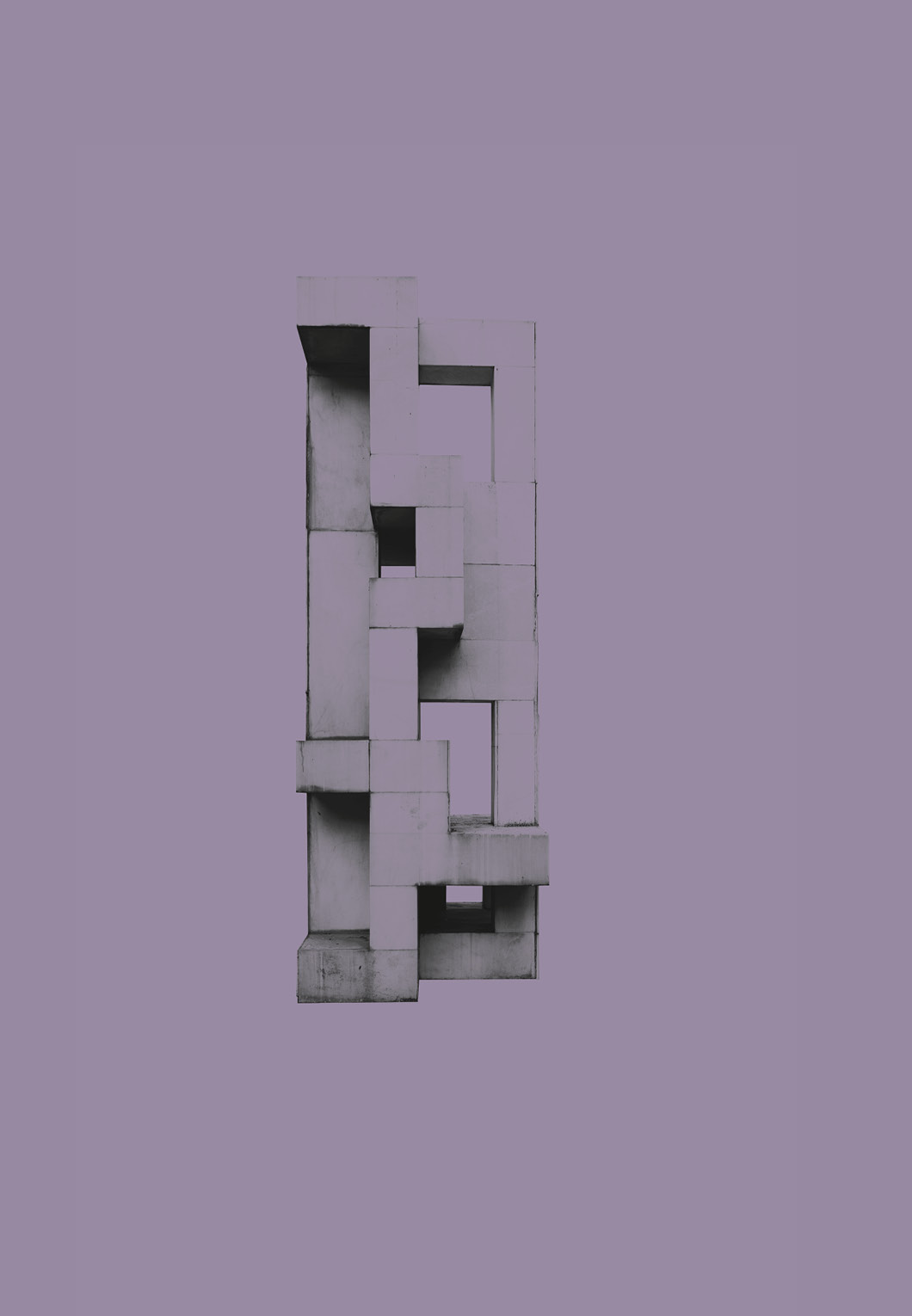
"THE CITY BEAUTIFUL"
KAY WALKOWIAK
9 Sep–30 Oct 16
Opening: September 8, 2016, 7 pm
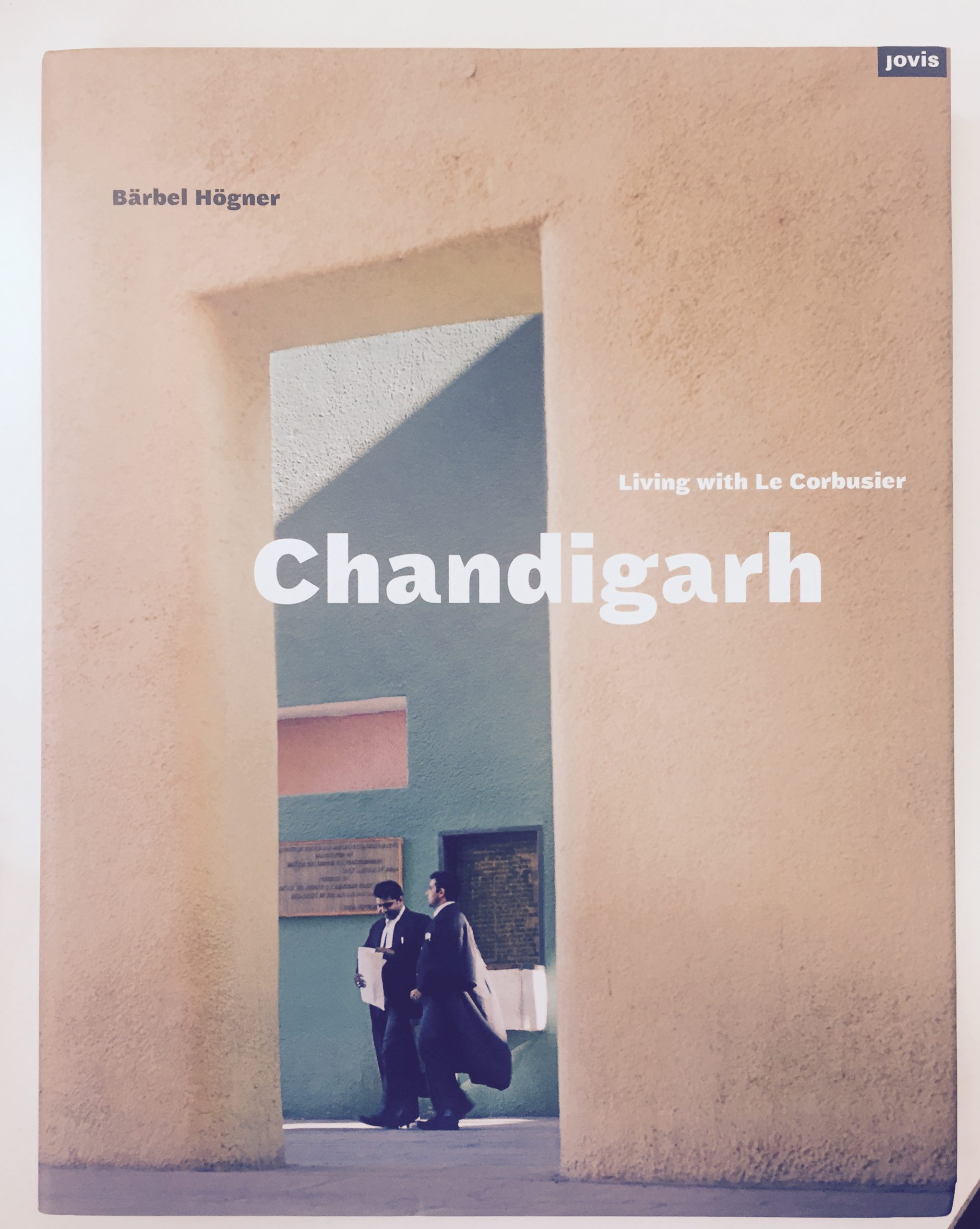
“The City Beautiful” by Viennese artist Kay Walkowiak is a filmic work about the Indian Corbusier city of Chandigarh, showcasing his perspective on the modernist vision of geometric order within the fluid reality of Indian culture.
Walkowiak examines the question of the narrative comprehensibility of form and its function as a projection surface for timeless utopias in a global context, analyzing the differing cultural-historical mindsets of the “East” and the “West.” Furthermore, he addresses the availability, appropriation, and legitimization of (public) space.
The modes of appropriating modernist visions and architectural utopias in the present day remain continuously relevant for the location of the Galerie im Turm.
Together with graphic designer Andreas Wesle, the artist has developed a visualization of the lecture “Utopian Spaces” by philosopher Arno Böhler, which reflects on these subjects and makes them visible within the space.
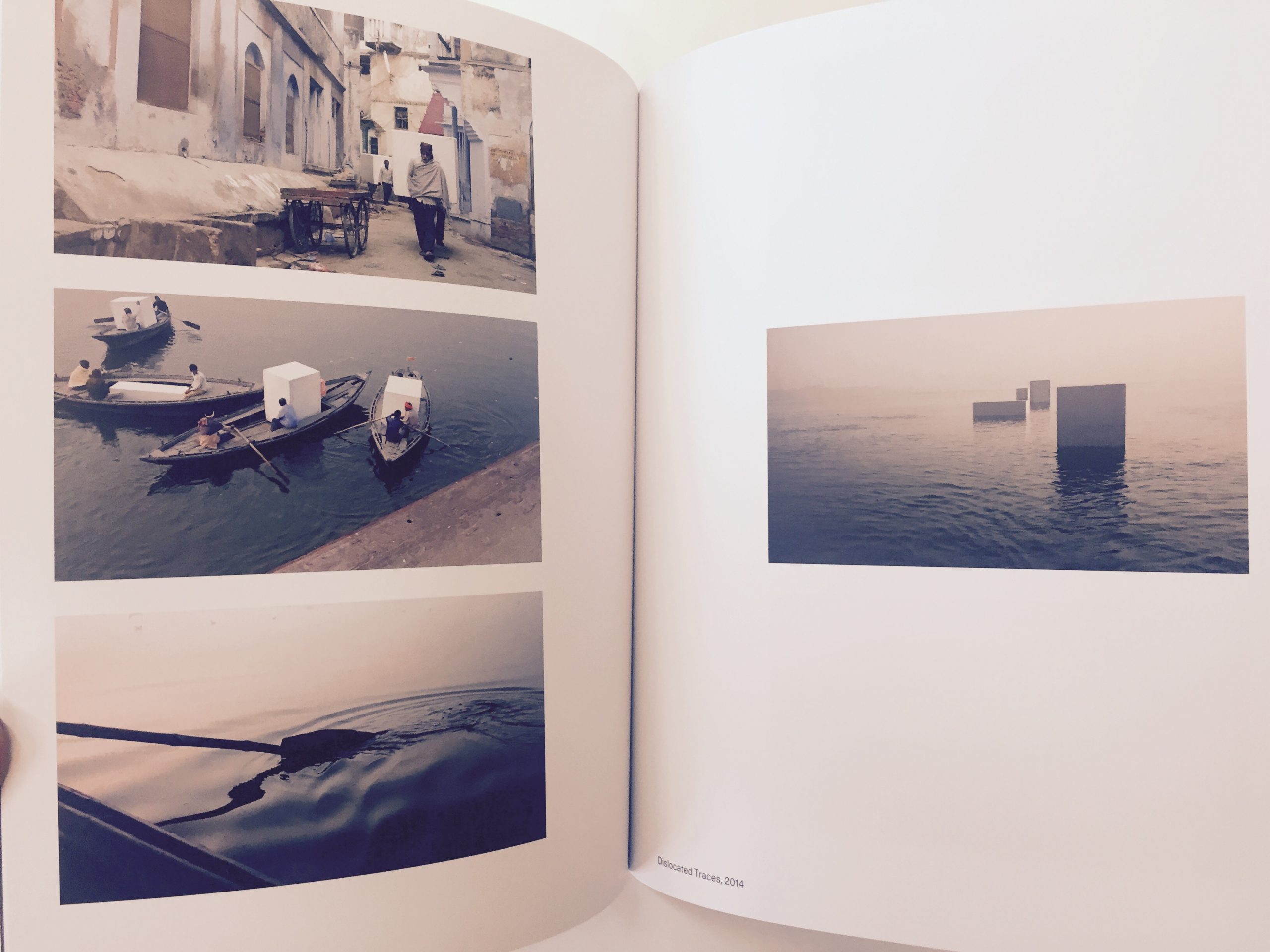
The visual transfer of images from Chandigarh also demonstrates the possibility of opening up the local structure around the Galerie im Turm: Small models of experimentation present alternative courses of action against the supposedly static architecture of grand utopias.
“Both places, Chandigarh and the Karl Marx Allee, share the characteristic of monumental architecture aimed at establishing a societal organizing principle through urban planning measures. The needs of the individual are subordinated to the political ideology of a collective. When considering an intervention in outdoor space, a counter-design seems almost impossible.
This overlap, even if it originally stemmed from different political orientations, becomes exciting to me at the moment when the modes of dealing with architectural heritage reveal differences.
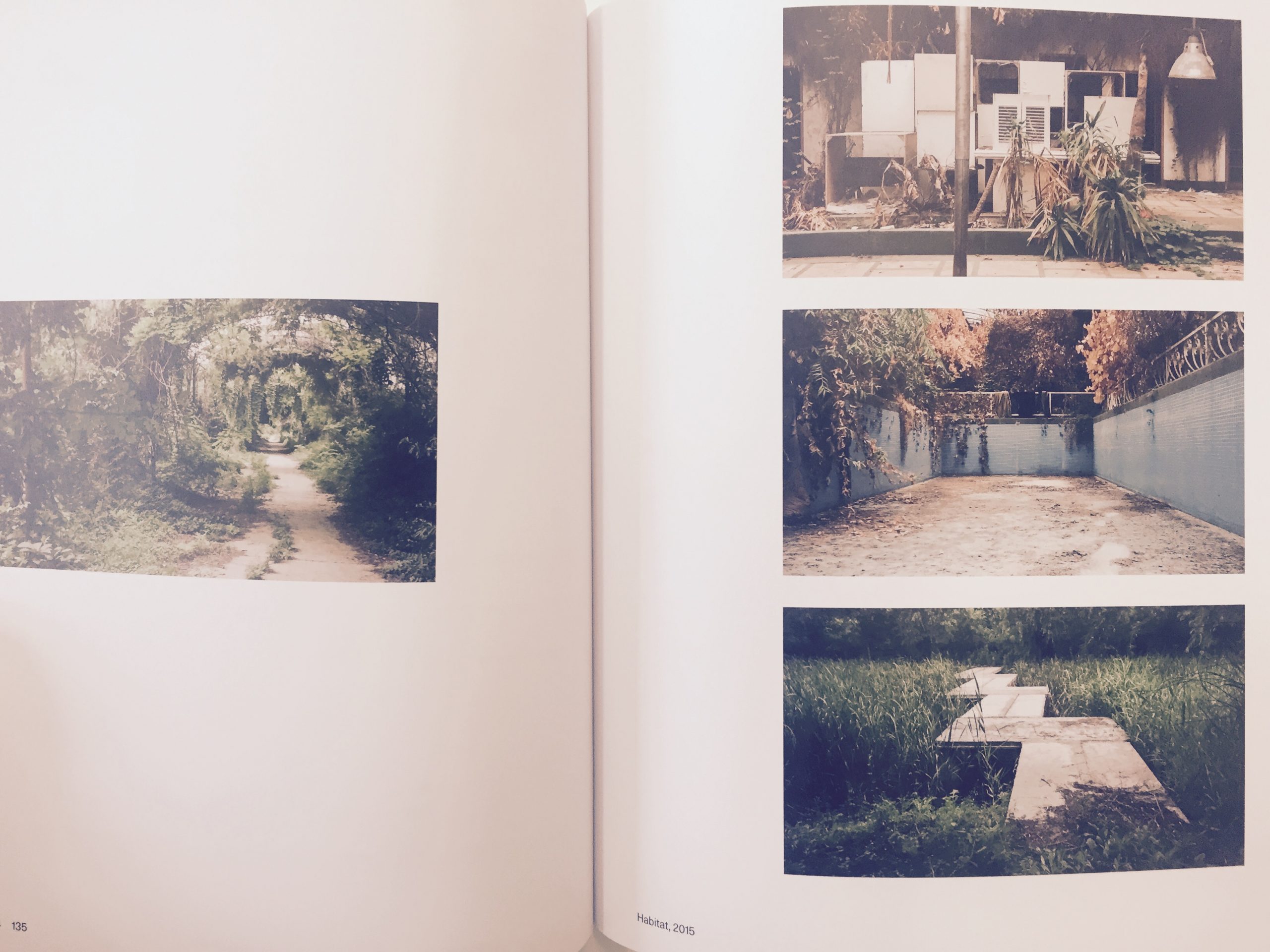
In Chandigarh, an adaptation of the architecture by its residents has occurred over time. Everyday actions and needs, through their repetition, have created their own spaces. Individual gestures of appropriation have led to existing structures being expanded or subverted. It is within these small gestures that the potential for change lies.” KAY WALKOWIAK
Team
curated by Celina Basra